 Image 1 of 4
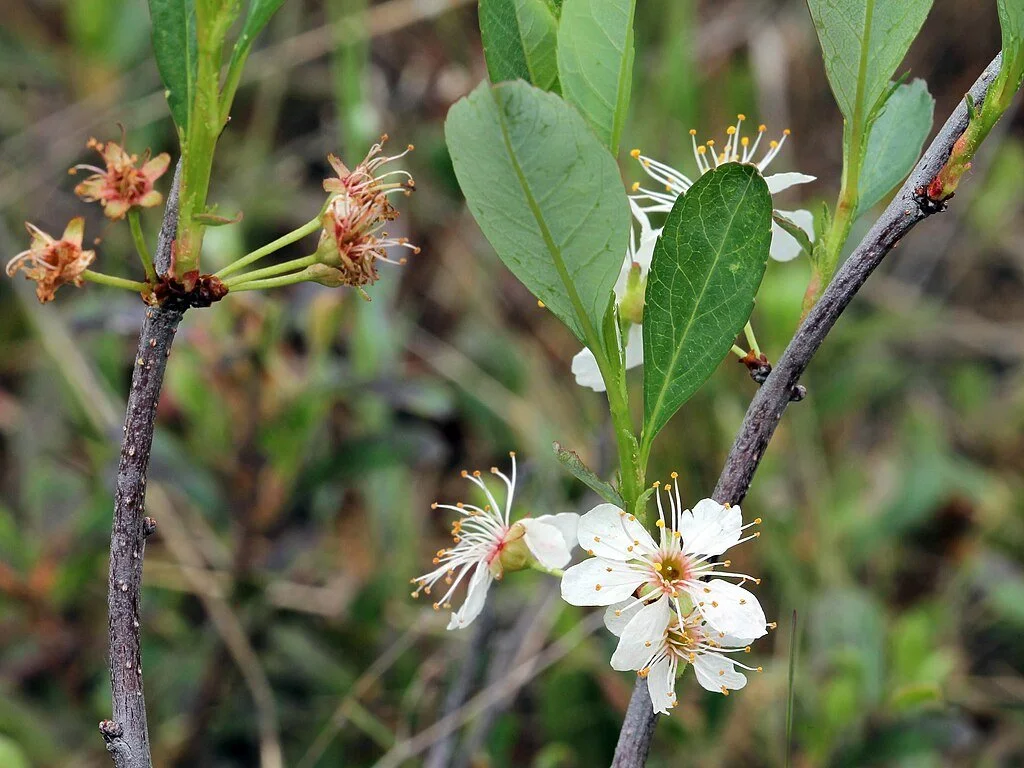 Image 2 of 4
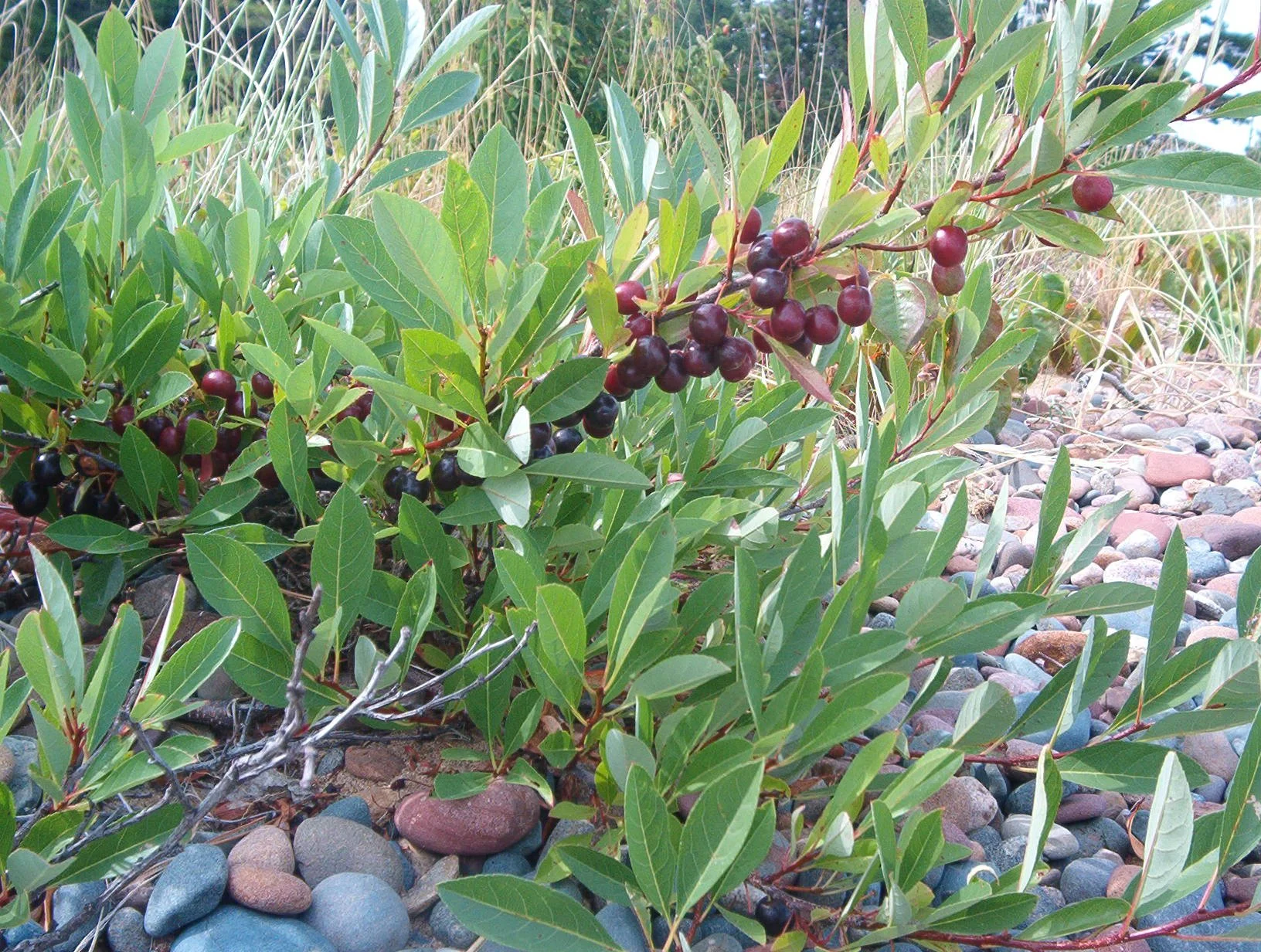 Image 3 of 4
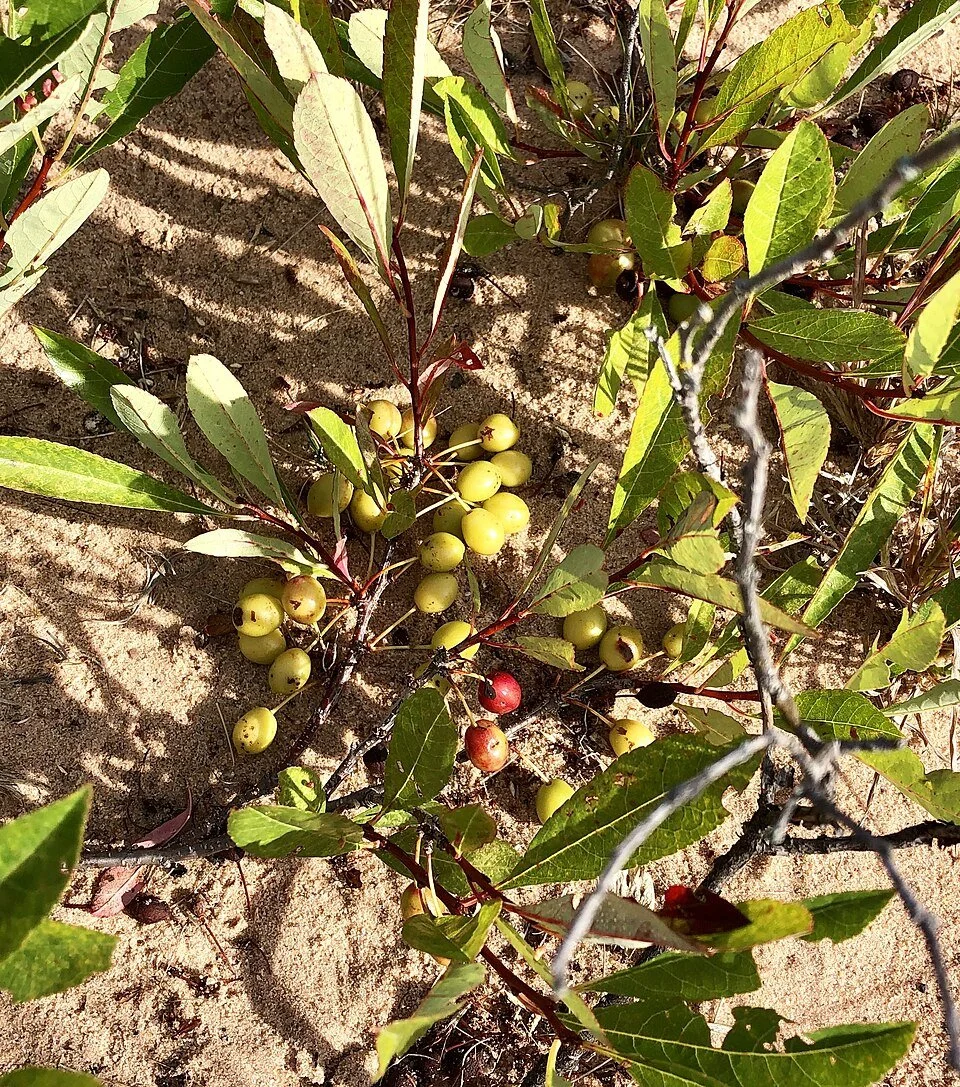 Image 4 of 4
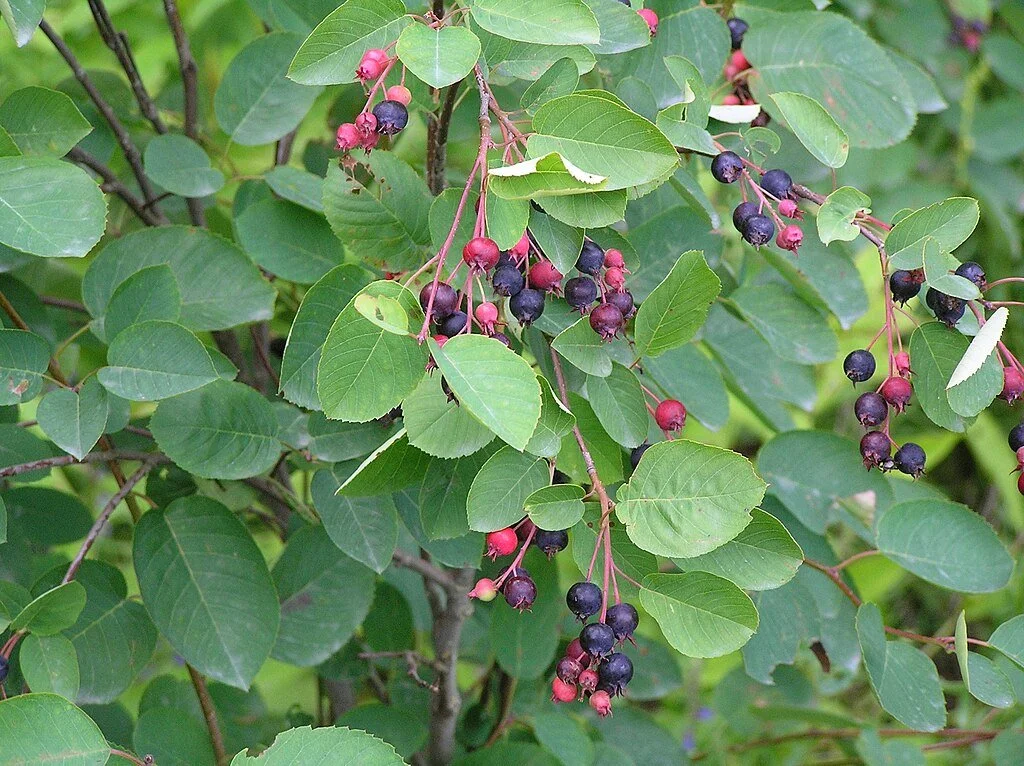
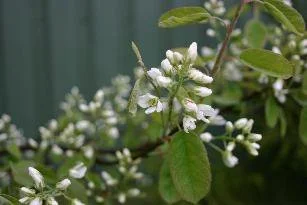
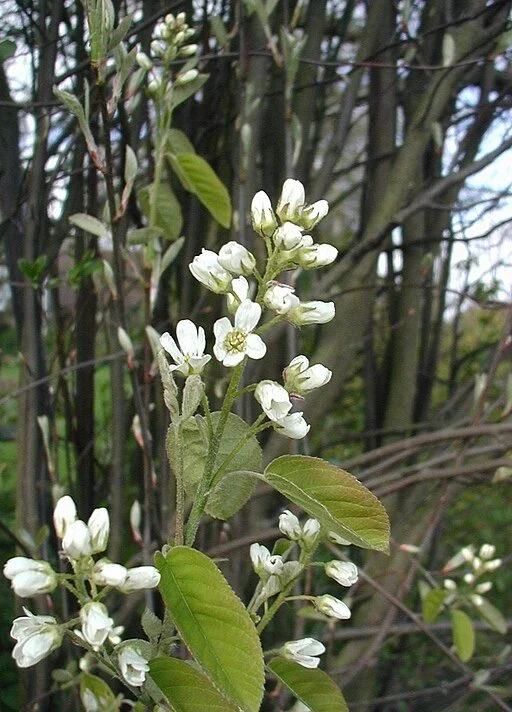
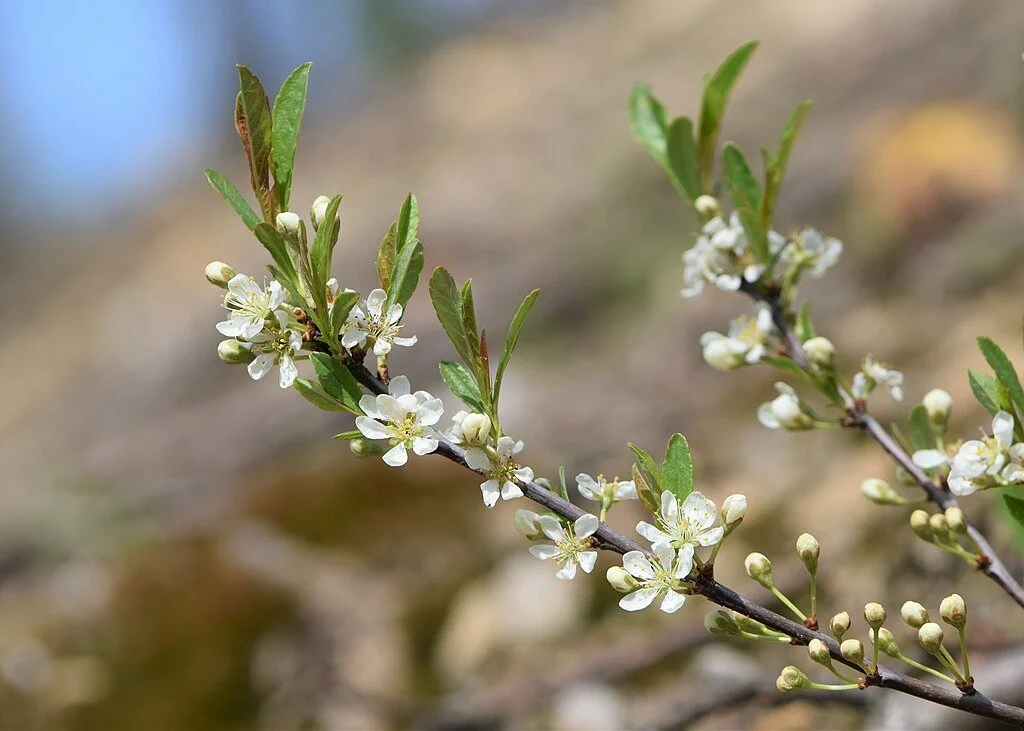
Eastern Sand Cherry, is a low-growing, deciduous shrub native to sandy soils and rocky outcrops across much of North America. It forms dense mats or clumps with fragrant white to pink-tinged spring blossoms. They have small tart cherries that wildlife relish. Their glossy, oval leaves turn attractive shades of yellow and orange in fall.
Hardy and drought-tolerant, sand cherry is excellent for stabilizing dunes, slopes, and poor soils where other plants struggle. Its vigorous root system helps prevent erosion. Though the fruit is quite sour for fresh eating, it can be used in jams or preserves, and the plant’s low, spreading habit makes it a useful groundcover for native landscaping and restoration projects.
Container size: 3-gal
Sun: Full Sun
Moisture: Medium-Dry
Maximum height: 2-6 ft
Maximum Spread: 3-6 ft
Eastern Sand Cherry, is a low-growing, deciduous shrub native to sandy soils and rocky outcrops across much of North America. It forms dense mats or clumps with fragrant white to pink-tinged spring blossoms. They have small tart cherries that wildlife relish. Their glossy, oval leaves turn attractive shades of yellow and orange in fall.
Hardy and drought-tolerant, sand cherry is excellent for stabilizing dunes, slopes, and poor soils where other plants struggle. Its vigorous root system helps prevent erosion. Though the fruit is quite sour for fresh eating, it can be used in jams or preserves, and the plant’s low, spreading habit makes it a useful groundcover for native landscaping and restoration projects.
Container size: 3-gal
Sun: Full Sun
Moisture: Medium-Dry
Maximum height: 2-6 ft
Maximum Spread: 3-6 ft